
Ruins of Dawn Game Systems
Rift invasions, key-gated trials, gem-fed ruins, and bounty boards — the endgame loops that turn clears into god-tier gear.
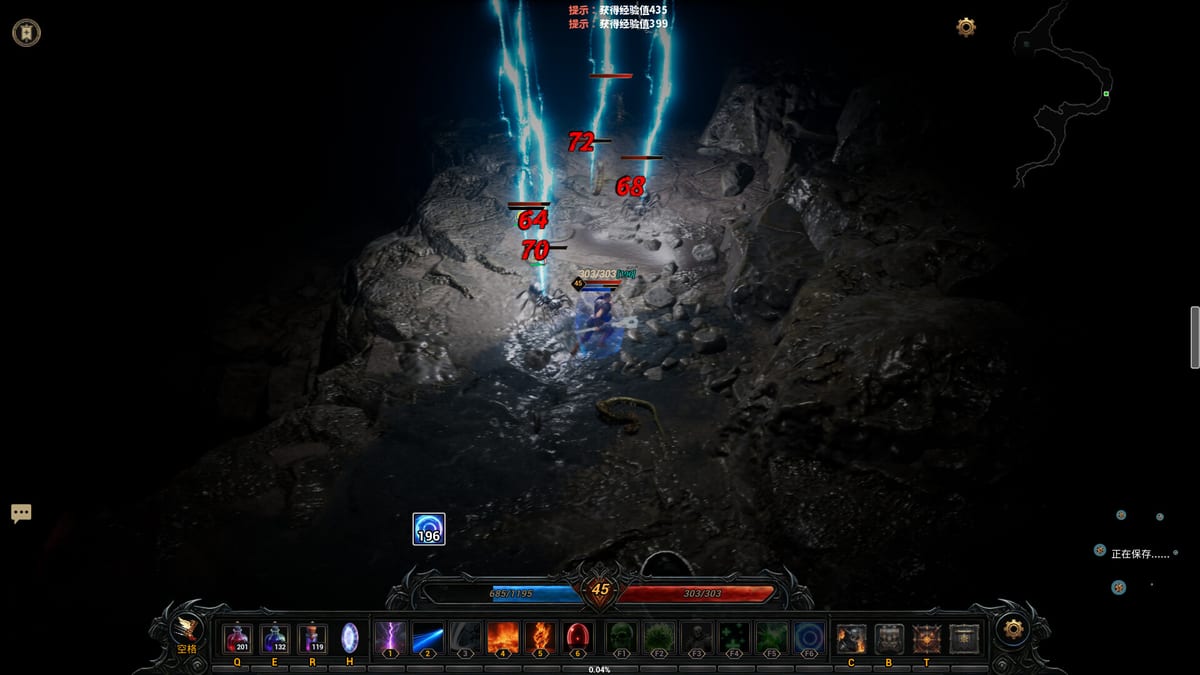
Ruins of Dawn is built around repeatable systems that sit on top of open-map ARPG combat. Random affix gear and forging supply the power curve; systems supply the routes, tickets, and reward tables that convert that power into god-tier drops. Public materials highlight four pillars — Rift invasions, Rift Key trials, Ruin Gem ruins, and bounties from the board plus elite scrolls — each with distinct entry costs, risk profiles, and loot biases.
This systems hub links to dedicated pages for Rifts, Trials, Ruins, and Bounties, plus world and loot systems that shape midgame routes — Maps, Bosses, Bear Valley, and Guarded chests. Read them alongside Gear, Forging builds, and Progression so you know when to push each system, not just how to click portals.
Systems vs Open-World Mapping
Open-world mapping teaches fraction literacy, elite modifiers, and stash discipline. Systems layer structured rewards on that foundation:
| System | Entry cost | Primary challenge | Typical rewards |
|---|---|---|---|
| Rift invasions | Spawns on enemy death | Wave control, defensive checks | Mixed gear, forging mats, rift pressure loot |
| Trials | Rift Keys | Traps, gatekeepers, key loss risk | High-ceiling gear, legendaries, dense mats |
| Ruins | Ruin Gems | Boss-packed routes | Route-specific drops, gem-tuned rewards |
| Bounties | Board picks, elite scrolls | Target farming | Currency, mats, resist-fix gear |
None of these replace forging literacy from affix crafting — they feed it.
Bosses — Bear King and God-Tier Tables
Store messaging emphasizes bosses deep in maps for god-tier gear. The dedicated Bosses page covers Bear King, elite-versus-boss loot, skill-book drops, and why T2 weapons bounce off hard-mode checks. Use it before you camp valley bosses for four hours in the wrong difficulty.
Maps, Bear Valley, and Guarded Chests
Beyond ticketed instances, Ruins of Dawn progression runs through overworld maps documented on the Maps hub. Starter zones teach fraction literacy; midgame shifts toward Bear Valley after recent demo updates added the zone and T3 gear drops. Bear Valley is where normal-difficulty farming meets first hard-mode walls — sudden spikes that often mean tier gaps, not bad play. Read hard mode before abandoning the map.
Guarded chests add risk-reward loot events on map routes — elite pressure around locked containers that reward players who read resist profiles and potion binds from Controls. Pair guarded chest farming with farming routes when you need T3 bases without burning Rift Keys or Ruin Gems.
Recommended Progression Through Systems
A sensible unlock order for RuinsofDawnDemo and the live 1.0 client:
- Open elites and shallow bosses — learn affix fractions via Items and potion binds via Controls.
- Bear Valley on normal — farm T3 gear per gear tiers before hard-mode pushes.
- Rift invasions — add wave pressure without spending keys or gems.
- Bounties and guarded chests — fix resist gaps and farm targeted mats before ticketed content.
- Trials — spend Rift Keys when failure will not bankrupt forging plans.
- Ruins — spend Ruin Gems when clear speed supports repeat boss-packed routes.
Progression expands this route with forging milestones. Demo Guide notes preview-specific caps that may hide trials or ruins until later patches.
Gear and Systems Feedback Loop
Systems and gear co-evolve:
- Gear power unlocks deeper trials and ruins.
- System rewards supply five-affix bases, legendaries, and materials for inject/reforge.
- Bosses deep in maps remain the benchmark for god-tier drops outside ticketed instances.
Avoid pushing trials with weak fractions on core slots — fix gear via bounties and forging first.
Class and Co-op Considerations
All three classes — Warrior, Mage, Warlock — interact with systems differently:
- Mage area damage simplifies rift wave overlaps.
- Warlock pets help control trial gatekeeper adds.
- Warrior burst shines in ruin boss packs and deep map bosses.
Online co-op compresses clear time but requires callouts documented in Co-op. Systems do not reduce the need for personal resist profiles — each player should read Trials trap sections even in parties.
Tools and Reference
System farming speeds up with reference pages:
- Affix glossary — evaluate trial loot without town trips.
- Class tier list — pick co-op roles before key burns.
- Forging builds — spend trial mats immediately on planned injects.
Deep Bosses and System Rewards
Store messaging emphasizes bosses deep in maps for god-tier gear. Systems complement that path rather than replacing it:
- Farm open-world depth when keys and gems are low.
- Spend tickets when your build meets the system’s defensive check.
- Return to mapping when material reserves dip below one forging project.
How to Use This Hub
Jump directly to the system you are stuck on, or read in progression order if you are new. Each child page cross-links siblings so you can pivot from rifts to bounties without returning here.
Ruins of Dawn is live on Steam as of August 14, 2026. System rewards, spawn rates, and ticket drop locations may still change between patches — treat mechanics as stable even when numbers shift.
Frequently Asked Questions
Quick answers to the most common questions.
Which Ruins of Dawn system should I try first?
Start with [Rift invasions](/systems/rifts/) for wave practice, then [Bounties](/systems/bounties/) for targeted fixes before spending keys on [Trials](/systems/trials/).
What is the difference between trials and rifts?
Rifts spawn on enemy death in the overworld. Trials consume [Rift Keys](/systems/trials/) for gated encounters with traps and gatekeepers.
How do Ruin Gems work?
Ruin Gems enter [Ruin Gem ruins](/systems/ruins/) — boss-packed routes with specialized rewards. See [Materials](/gear/materials/) for farming tips.
What is Bear Valley in Ruins of Dawn?
[Bear Valley](/systems/bear-valley/) is a midgame map added in demo updates — farm T3 gear there before [hard mode](/guides/hard-mode/) pushes. See [Maps](/systems/maps/) for route context.
Do systems replace deep map boss farming?
No. Systems complement open-world depth where god-tier gear drops. Use [Progression](/guides/progression/) to balance both paths.