
Ruins of Dawn Items & Affixes
Base types, random affix rolls, fraction notation, and stash priorities for the loot ARPG's hundreds of gear pieces.
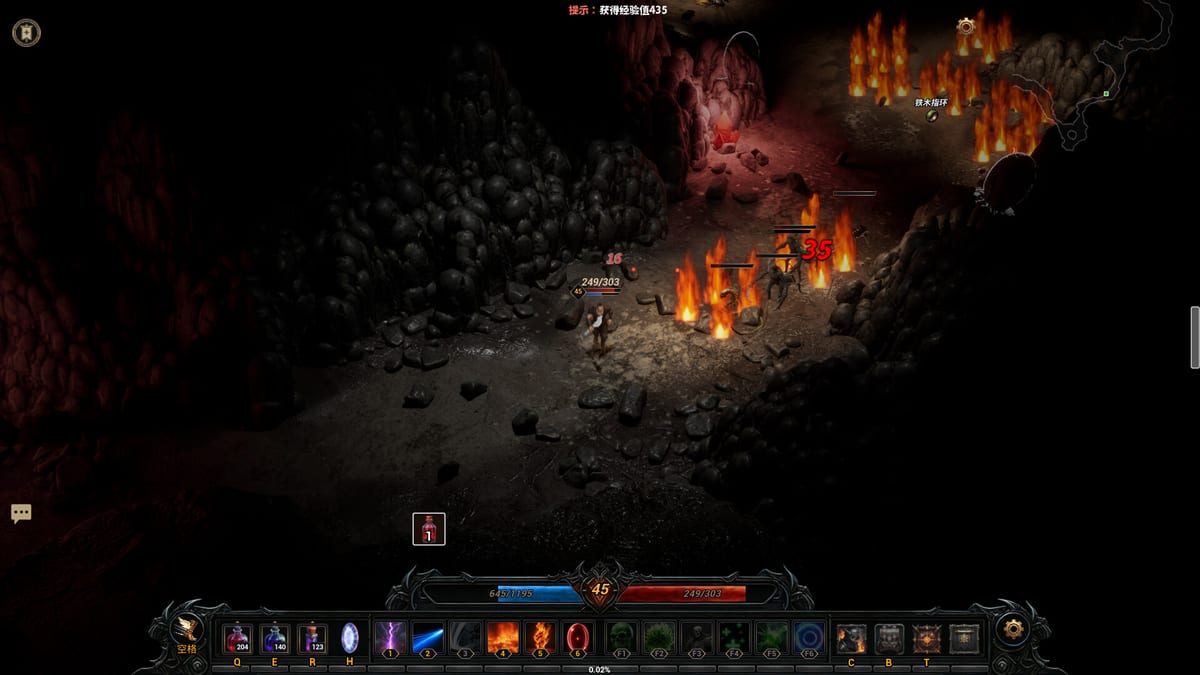
Items in Ruins of Dawn are not cosmetic upgrades — they are the primary progression vector. The game ships hundreds of base gear pieces across weapon, armor, and accessory families. Each drop rolls random affixes with potencies displayed as fractions (commonly /5), stacks up to five affixes on high-quality bases, and feeds directly into extract, inject, reforge, and quality upgrade forging described on Forging builds.
This page explains how to read a drop at a glance, what to stash during RuinsofDawnDemo farming, and how item rules connect to Legendaries, Materials, and endgame systems after the August 14, 2026 Steam launch.
Base Items and Equipment Slots
Every item begins as a base type — a named chassis with implicit stats, level requirements, and affix capacity rules. Bases differ by:
- Slot — weapons, off-hands, helmets, chest, gloves, boots, belts, rings, amulets, and class-specific pieces where applicable.
- Weapon class — affects which skills or attack profiles benefit; Warrior and Mage often want different weapon families even when affix names overlap.
- Implicit modifiers — fixed bonuses tied to the base name that do not reroll with reforge unless rules say otherwise.
When two items share a slot, compare base implicits first, then affix count, then fraction quality. A slightly lower-level base with five strong affixes can beat a higher-level three-affix piece once resistances are covered.
Rarity Tiers and Color Coding
Ruins of Dawn follows ARPG rarity conventions with loot-colored tiers:
| Tier | Typical role |
|---|---|
| Normal (white) | Vendor fodder or early placeholders; rarely worth forging investment. |
| Magic (blue) | One or two affixes; okay for resist gaps until rares appear. |
| Rare (yellow/gold family) | Random multi-affix workhorses; primary forging chassis. |
| Legendary (orange) | Fixed or semi-fixed powerful modifiers — see Legendaries. |
Rarity raises potential but does not replace fraction literacy. A rare with 5/5 on your priority stat often outperforms a legendary with 2/5 on the same line once other slots are crafted.
Affix Fractions — Reading /5 Rolls
Random affix gear displays roll quality as a fraction, such as /5, indicating how close that affix sits to its maximum on the current item. Two pieces can show the same affix name while one reads 3/5 and another 5/5 — the latter is the keeper unless you need the former for extraction fodder.
Fraction habits that save accounts:
- Glance fractions before rarity color during fast maps.
- Mark five-affix items even if fractions are mixed — they are reforge candidates.
- Keep high-fraction duplicates of stats you plan to inject later via affix crafting.
- Vendor low-fraction junk unless it fixes an immediate resist hole for a Trial attempt.
Use the affix glossary to translate names into build goals for Warrior, Mage, and Warlock without tabbing out mid-fight.
Five-Affix Items — Long-Term Chassis
The community shorthand five-affix piece refers to rare (or equivalent) items that rolled the maximum affix count for their tier. These are the chassis for long-term forging:
- More slots mean fewer inject steps to reach a complete build.
- Reforge budgets stretch further when only one or two lines need fixing.
- Quality upgrades multiply value across all five lines instead of a partial item.
Stash rule: never vendor a five-affix base in a core slot (weapon, chest, primary damage source) until you have a strictly better replacement or confirmed extract plan. Extraction destroys donors — read Progression before pulling affixes off a five-affix duplicate you might need intact.
Affix Categories That Matter Early
While exact names live in the glossary, most early builds chase overlapping categories:
- Defensive layers — life, armor, resistances, damage reduction; mandatory before deep Rift invasions.
- Damage scaling — flat damage, attack speed, crit, skill-specific bonuses tied to your current class.
- Quality-of-life — movement speed, pickup radius analogs, resource regeneration; underrated for demo session efficiency.
- Elemental or damage-type lines — sync with skills and boss weaknesses when known.
Class swappers should prioritize neutral defensive affixes on account-wide pieces and push class-specific affixes onto swappable weapons or off-hands.
Items vs Forging — When to Wear vs Craft
Items enter three workflows:
- Equip immediately — strict upgrade with no crafting needed.
- Hold for forging — five-affix base or high-fraction duplicate awaiting inject/reforge.
- Convert to materials — low-fraction duplicates after extraction, or salvage into mats covered on Materials.
The four forging actions interact with items directly:
- Extract — removes one chosen affix; destroys the donor item.
- Inject — applies a stored affix onto a compatible base.
- Reforge — rerolls affix outcomes within item rules.
- Upgrade quality — raises overall item tier or potential.
Detailed walkthroughs live on Forging builds and affix crafting. Items page literacy prevents expensive mistakes before you touch the forge.
Where Items Drop — Content Tiers
Item power scales with content depth and system type:
- Open map elites — steady rares, forging mat side drops, affix variety for learning.
- Deep map bosses — god-tier gear according to public store messaging; prioritize when resistances allow.
- Rift invasions — wave pressure loot tuned for defensive testing.
- Rift Key trials — key-gated rewards; higher risk, higher ceiling.
- Ruin Gem ruins — route-specific drops including gem-related rewards.
- Bounties — targeted farming for missing resistances or mat types.
Track which tiers you have cleared using habits from the Demo Guide during preview play.
Looting in Co-op
Online co-op does not change fraction rules — it changes throughput. Parties kill faster but should agree:
- Who needs which resist piece for upcoming trials.
- Whether five-affix bases are callouts regardless of who picked them up.
- How shared sessions feed individual forging plans on Progression.
See Co-op for party etiquette; item rules stay identical solo or grouped.
Item Checklist Before Pushing Endgame
Before spending Rift Keys or Ruin Gems, confirm:
- At least one five-affix piece in a core slot with acceptable fractions on two priority stats.
- Resistance profile covers elites in your target zone — fix gaps via Bounties if not.
- Stash contains duplicate donors for planned extractions, not accidental destruction of your only copy.
- You compared new legendaries against crafted cores using fractions, not color alone.
Living Documentation Note
Ruins of Dawn is live on Steam. Affix pools, base counts, and drop weights may shift between RuinsofDawnDemo patches. Re-run stash rules after major updates; the workflow (fractions, five-affix priority, forging integration) stays stable even when individual stat names change.
For build snapshots while items evolve, cross-check the class tier list and revisit Getting Started if you return after a long break.
Frequently Asked Questions
Quick answers to the most common questions.
What does a /5 affix fraction mean on gear?
It shows how close that affix roll is to its maximum on the item. Prioritize high fractions and cross-check names in the [affix glossary](/tools/affix-glossary/).
Should I keep every five-affix item?
Keep five-affix pieces in slots you plan to craft on — weapon, chest, or class-defining gear. Low-fraction five-affix items are still reforge candidates.
When is a rare better than a legendary?
When rare fractions beat the legendary on priority stats and you have forging online. Read [Legendaries](/gear/legendaries/) before replacing crafted cores.
Where do the best items drop?
Bosses deep in maps drop god-tier gear. Push depth when resistances allow, and use [Trials](/systems/trials/) and [Ruins](/systems/ruins/) for gated rewards.
How do items connect to forging?
Five-affix bases feed extract, inject, reforge, and quality upgrades. Start with [Forging builds](/builds/forging/) once you have duplicates you can sacrifice.